Most folding e-bikes trade battery size for a lighter fold. The Rad Power Bikes RadExpand 5 Plus goes the other way, with a 720Wh pack, a torque sensor and 4 in fat tires on a frame sized for shorter riders. I haven’t ridden it. This review is built from Rad’s official RadExpand 5 Plus page, rechecked on Oct 27, 2026, Rad’s warranty page, and the folding bikes I have tested.
Should you buy one?
At $1,899 (as of Oct 27, 2026), the RadExpand 5 Plus is a well-equipped folding fat tire bike, provided you fit it. Rad lists hydraulic brakes, a hydraulic fork, turn signals, a color display with USB-C and folding pedals. The limits are just as clear. It fits riders from 4’10” to 5’10”, carries a 225 lb max rider, and weighs 72.5 lb.
If you’re within that range, the appeal is simple: the battery is bigger than most folders carry, and the torque sensor should make the assist feel smooth rather than jumpy. If you’re taller than 5’10” or heavier than 225 lb, this bike isn’t built for you, no matter how good the price looks.
Rad’s ownership changed recently. Rad filed for Chapter 11 in December 2025, and Life EV bought the brand, closing in March 2026, as reported by TechCrunch. The new owner, Rad Life Mobility, offers a two-year warranty on the frame and main components, and two years or 300 cycles on the battery, for bikes bought new from Rad or an authorized retailer. Pedals, drivetrain parts and the saddle get one year. Bikes bought before Dec. 15, 2025 aren’t covered by the new owner, which matters if you’re shopping used.
What the specs mean on the road
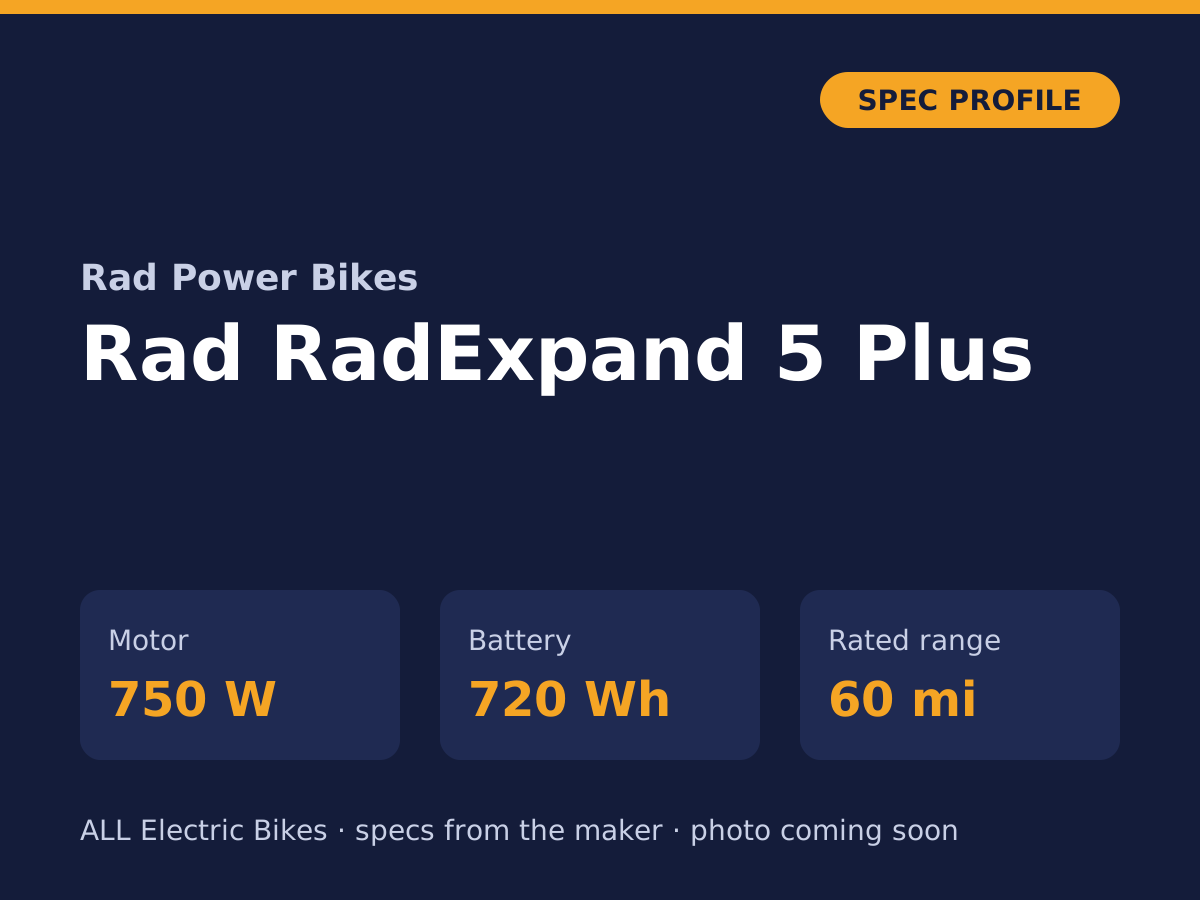
The 750W rear hub makes 64 Nm, less than the 100 Nm on the Radster models. That’s fine for city hills and errands, and slower on long, steep climbs, especially with a loaded rack. The torque sensor reads how hard you pedal, so you control the assist through your legs. A half-twist throttle gets you moving from a stop. The Shimano 7-speed, with a 48T chainring and a 14-32 freewheel, gives you a low gear for climbs.
The bike is Class 1 or 2 only, so it tops out at 20 mph. That’s a real difference from 28 mph folders, but for a short rider on 4 in tires running errands, 20 mph is plenty for most bike lanes and paths.
The 20 x 4.0 in CST tires cushion potholes and handle sand and loose gravel better than narrow tires. The trade-off is more rolling resistance, which costs range. Rad adds a puncture-resistant liner. The 50mm hydraulic fork takes the sting out of curbs and cracks, but it won’t make rough trails comfortable. Bolt-on axles mean you need a wrench to remove a wheel for a flat, so carry one.
The Gemma hydraulic brakes use thick 2.3mm, 180mm rotors, a good setup for stopping a heavy bike. Rad rates the RadExpand IPX6 for water, so rain and splashes are fine.
Range and battery
The 720Wh battery is rated for 20 to 60 miles. Fat tires and frequent throttle use pull you toward the low end. Easy pedaling on flat ground can stretch toward the high end. For most errand riders, that’s several days between charges. The battery is certified to UL 2271 and uses Samsung or LG cells, according to Rad. It’s mounted externally, so you can pull it to charge indoors while the bike stays in the garage.
Folding, weight and lights
Rad lists the folded size at 29 in tall, 25 in wide and 41 in long, and says it fits in apartments, RVs and car trunks. Check your trunk against those numbers before you buy. The Aventon Sinch I tested fit in my Tesla Model 3’s trunk, but just barely, and the Sinch weighs about 68 lb. The RadExpand weighs 72.5 lb, or 62.5 lb with the battery removed. Take the battery out every time you lift it.
The low frame helps with fit: Rad lists a 16.5 in standover, so stepping through is easy for shorter riders. The folding pedals keep the bike narrow when folded.
The headlight is the weak spot in Rad’s listing. The spec table lists it at about 50 lumens, while Rad’s feature copy says its 2024 models have a 200-lumen headlight. Either way, that’s a light for being seen, not for seeing on unlit roads. If you ride after dark, add a brighter light. The turn signals and brake light are useful in traffic.
Accessories and cargo
The rear rack is rated for 59 lb, enough for a pannier set or a crate of groceries. Rad sells racks, bags and baskets for its bikes. Check that any accessory is listed as compatible with the RadExpand 5 Plus before you buy. With a 225 lb max rider and 315 lb total payload, a heavier rider has less room for cargo.
Pros and cons (from the specs)
Pros: a 720Wh battery, big for a folder; a torque sensor; hydraulic brakes with thick rotors; a hydraulic fork; a 16.5 in standover; turn signals; IPX6 weather protection; a two-year warranty when bought new.
Cons: 72.5 lb; rider height tops out at 5’10”; 225 lb max rider; 20 mph top speed; a dim listed headlight; bolt-on axles.
How it compares to bikes I’ve reviewed
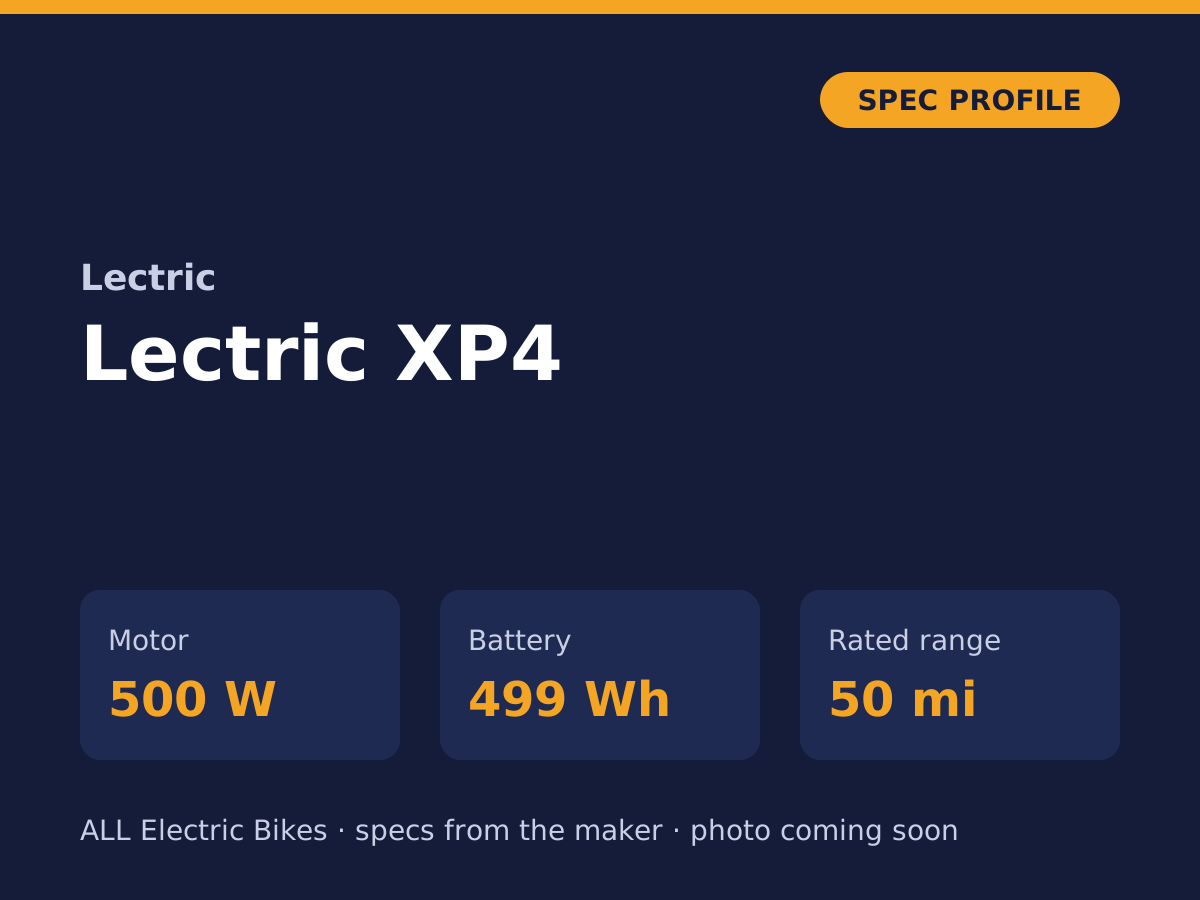
The Aventon Sinch is the folding fat tire bike I lived with, and the trunk fit is the lesson I’d carry over. The Kingbull Literider is a folding fat tire step-through I tested with a cadence sensor, so the RadExpand’s torque sensor should feel smoother. The Lectric XP4, which I’ve also covered from specs, costs $999 as of Oct 27, 2026, about $900 less. It has a torque sensor and can run at 28 mph, but carries a 499Wh battery and fits riders up to 6’3”. If range and a lower step matter more than speed and price, the RadExpand makes the case. My best folding e-bikes guide covers more options.
Who it’s for
The RadExpand 5 Plus fits riders from 4’10” to 5’10” who want a folding bike with a big battery, apartment and RV owners, and errand riders who value fat-tire comfort over speed. Look elsewhere if you’re taller or heavier than Rad’s limits, want 28 mph, or need to lift the bike often.
Price
$1,899 on Rad’s site as of Oct 27, 2026.